
Infrared 5-in-1 Flame Sensor
3.8Editor score
Five infrared sensing elements
Adjustable detection sensitivity
Analog and digital outputs
Works with popular microcontrollers
Bestelectrical Fire Prevention Sensor guide comparing WiFi monitors, flame sensors, fire alarms, and warning strobes for home and project safety.
Electrical fire prevention equipment ranges from plug-in voltage monitors to furnace flame sensors, wired alarm horns, flame-detection modules, and audible-visual warning strobes. A useful sensor depends on the hazard you want to monitor, the building system it must support, and the response you need when an abnormal condition is detected.
We compared the ten products using their stated detection methods, power requirements, compatibility, installation demands, alert features, and suitability for residential or maker applications. The list intentionally covers different roles because preventing a fire may require electrical monitoring, appliance flame confirmation, or notification from an existing alarm system.
Each review explains what the product is designed to detect, where it fits, and what buyers should verify before installation. Our top selections emphasize purposeful functionality rather than treating every flame device as a complete home alarm. Product availability and pricing can change, so confirm current details before purchasing.
3.8Editor score

4.6Editor score

4.9Editor score
This side-by-side comparison highlights the distinct job of each product, from continuous home voltage monitoring and infrared flame detection to furnace flame confirmation and emergency visual-audible notification.




The Briidea WiFi Fire Protection Sensor is the most directly relevant product in this guide for households seeking ongoing electrical oversight. With a 4.6 rating, its standout feature is 24/7 monitoring of a home's electrical circuits through a simple plug-in unit. It watches for potential faults, hazards, and power outages, then presents information through the GeniLife app and local LED warning indicators.
We may earn a commission when you buy through this link, at no additional cost to you.
Its strongest capability is visibility over time rather than a single alert. Clear line charts help users identify voltage peaks, lows, and frequency fluctuations, while seven-day alert and trend history can distinguish an isolated power fluctuation from a recurring electrical condition. Instant notifications are compatible with iOS and Android, and multiple user logins allow several family members to receive the same warnings.
There is an important distinction between this product and a conventional smoke or heat alarm. The sensor monitors household voltage and power conditions, but it is not described as sensing smoke, heat, or an active flame. Likewise, its warning light provides local indication while the app adds remote awareness. Buyers still need appropriate smoke and heat detection as part of a complete home safety plan.
Installation is the decisive convenience advantage. The unit simply plugs in and connects to WiFi, with no professional skills stated as necessary, and one sensor can monitor the voltage of an entire home. This makes it the best overall choice for users seeking accessible electrical monitoring with useful trend data, provided they understand that it supplements rather than replaces code-compliant smoke and heat alarms.
Seven days of alerts and voltage charts turns isolated readings into a clearer diagnostic record. This can help homeowners identify recurring instability and determine when additional inspection is warranted.
Multiple app logins let relatives receive instant voltage-change alerts from one centrally connected sensor, while the plug-in design simplifies initial setup.
We may earn a commission when you buy through this link, at no additional cost to you.
The Infrared Flame Sensor Module 5 in 1 is a practical choice for makers, students, and developers who want to build flame-responsive controls. Its 3.8 rating reflects a product whose value lies in construction flexibility rather than turnkey home safety. Each of the three included modules combines five infrared sensors, creating a wider detection area and supporting more deliberate flame recognition.
We may earn a commission when you buy through this link, at no additional cost to you.
The built-in potentiometer allows users to tune the trigger threshold according to the characteristics of a particular flame and testing environment. Both analog and digital outputs are supported, which makes the modules adaptable to projects that need a variable reading as well as systems that only need a simple high or low trigger. Compatibility includes Arduino, Raspberry Pi, ESP32, and ESP8266 platforms.
The main limitation is obvious but essential: this is a component, not a certified standalone residential fire alarm. The user must provide a controller, power arrangement, software, and an appropriate alert mechanism. Environmental variables, ambient light, background heat sources, wiring quality, and the distance between the sensor and flame can affect performance. A successful project therefore requires calibration and controlled testing.
Choose this product when you are building a smart alarm, robot, demonstration system, or custom safety controller and understand the electronics involved. It is our best budget selection because the three-pack provides multiple modules for prototypes or spares, while adjustable sensitivity and dual outputs deliver useful flexibility without pretending to be a complete fire-warning installation.
The sensitivity control helps a builder tune when a digital output should trigger. Testing in the intended environment remains necessary because flame size, distance, and surrounding conditions can influence infrared readings.
The included modules let engineers prototype several detection zones, compare placements, or retain spares. This makes the set more useful for iterative development than a single sensor would be.
We may earn a commission when you buy through this link, at no additional cost to you.
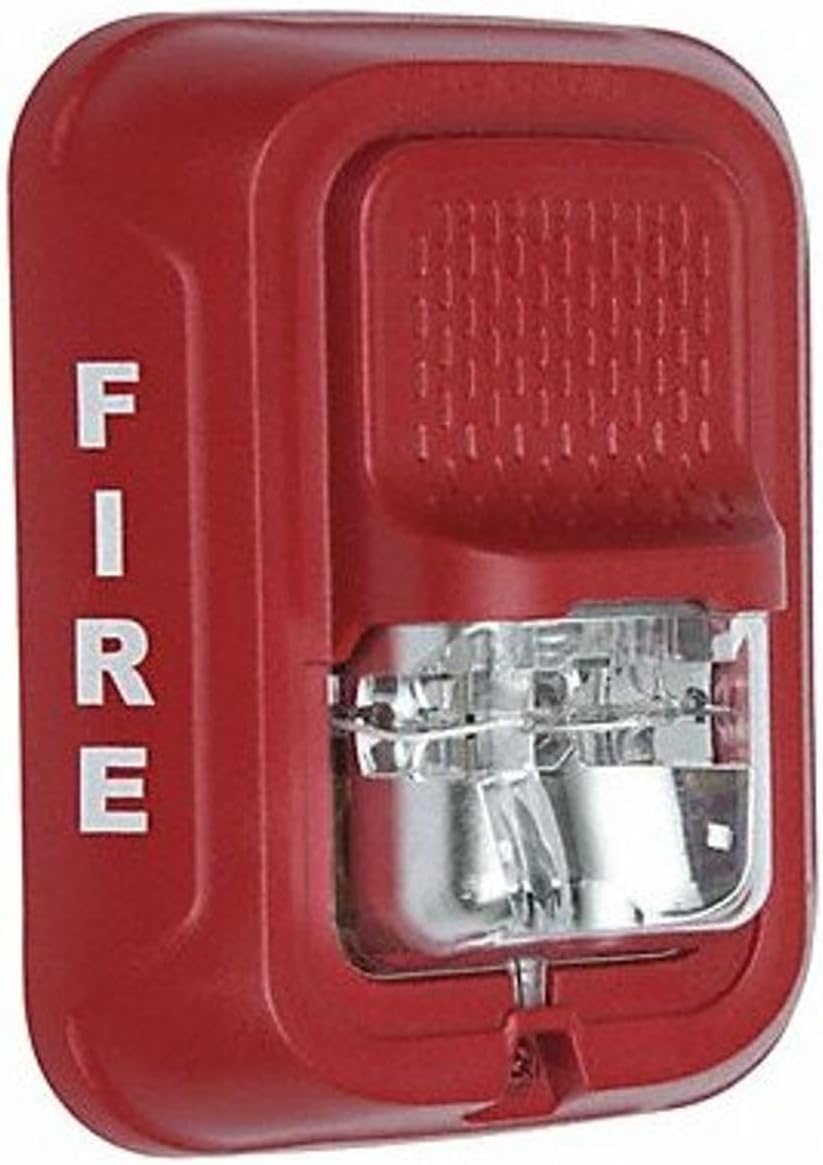
The System Sensor SRL Red Fire Strobe is a dedicated visual notification appliance rather than a detection sensor. With a 4.0 rating, it belongs in a complete fire-alarm architecture where a control panel activates a bright red strobe to warn occupants of an emergency. Its narrow purpose is also its main strength: it adds a clear visual signal where an audible-only alarm may be insufficient.
We may earn a commission when you buy through this link, at no additional cost to you.
The supplied information identifies the product simply as System Sensor SRL, limiting the conclusions that can be made about mounting, power, output patterns, or regulatory listing. Buyers should therefore treat the model designation as the starting point and verify the manufacturer documentation, panel compatibility, voltage requirements, and installation instructions before purchase.
A strobe is most useful in locations where ambient noise, hearing impairment, sleeping occupants, or distance from the sound source could make a horn harder to notice. It should not be wired in isolation and expected to detect smoke, heat, or flames. The control and initiating devices must detect the emergency and provide the proper signal to operate the appliance.
This is a sensible option for installers or homeowners with an existing compatible fire-alarm system that needs a red visual notification component. It is less appropriate as a first-time standalone purchase because the available data does not establish the wiring interface or standalone capabilities. Confirm technical documentation before treating it as a complete prevention solution.
A bright strobe can communicate an alarm condition in noisy spaces or to people who may not hear an audible notification. It works best as one layer of a professionally coordinated system.
Because the supplied listing provides limited technical information, buyers should confirm electrical requirements, panel compatibility, mounting guidance, and approved installation methods before wiring.
We may earn a commission when you buy through this link, at no additional cost to you.
The QWORK Fire Alarm is a wired sound-and-light warning appliance designed to operate with fire alarm panels. Its 4.2 rating suits a product that offers both a 105dB horn and a visual warning from six flashing LEDs. It is intended to make an activated system unmistakable in homes, small commercial spaces, workshops, or other locations where rapid attention is critical.
We may earn a commission when you buy through this link, at no additional cost to you.
The listed operating input spans 9–24V DC, although the product title highlights 12 and 24V DC applications. Installation is wall-mounted, and the package includes fixing screws and expansion tube. The horn's stated 105dB output offers a powerful audible signal, while the LEDs provide a clear visual indication that can be noticed when people are farther away or ambient sound is high.
This is not a stand-alone initiating device. The description explicitly says it is designed to work with fire alarm panels and is not battery operated, so users need an existing compatible control system, appropriate wiring, and a separate detector or initiating device. Installation should also follow the requirements of the overall system and applicable local codes.
For buyers building or expanding a low-voltage fire-warning setup, the QWORK unit offers a straightforward combination of horn and light in one enclosure. It is less suitable for a household seeking an independent plug-in alarm because it cannot operate as a self-contained system. Confirm panel compatibility and voltage before installation.
Combining an audible horn and flashing LEDs reduces the need for separate notification appliances in suitable installations. The two channels also provide redundancy for occupants with different hearing and visual needs.
The unit receives power and activation through wiring, making it appropriate for coordinated systems. Buyers should ensure their panel supplies the correct input and can activate the notification pattern.
We may earn a commission when you buy through this link, at no additional cost to you.
The System Sensor SWL White Fire Strobe is a wired visual notification appliance for use within an established alarm system. The product carries a 4.2 rating and is listed in the security alarms and warnings category. Its white warning light distinguishes it from a conventional red alarm beacon and may suit environments where a less intrusive visual indicator is desired.
We may earn a commission when you buy through this link, at no additional cost to you.
The limited supplied description does not outline voltage, mounting dimensions, flash characteristics, current draw, or panel interfaces. That means compatibility cannot be judged from the listing alone. A buyer should locate the model's official technical documentation, verify the notification system's power requirements, and confirm that the SWL is approved for the intended fire-alarm application.
Like other notification appliances, it does not perform smoke, heat, or flame detection. It becomes active when another part of the system signals an emergency. This division of responsibility is important: the SWL communicates the alarm visually, while a suitable detector and control panel determine whether an emergency exists.
The product is most appropriate for someone with a compatible System Sensor setup who needs a white wired strobe. It is not the best first purchase for a renter seeking a self-contained alarm because it requires installation and system integration. Proper compatibility verification is the key condition for a successful application.
The white housing can suit interiors where a traditional red beacon would stand out strongly. Visual suitability still depends on placement, brightness, and local notification requirements.
A strobe should be selected according to the control panel's output and the system's approved notification design. Checking those requirements prevents mismatched wiring and ineffective alerts.
We may earn a commission when you buy through this link, at no additional cost to you.
The DIGITECK Plug&Play Site Alert is a self-contained, battery-operated warning unit intended for smaller sites where a full hardwired system may be unnecessary. With a 3.6 rating, its appeal comes from straightforward deployment: a replaceable 9V battery, an integrated high-intensity LED strobe, and a siren provide both visual and audible warning without panel wiring.
We may earn a commission when you buy through this link, at no additional cost to you.
The stated sound output is 98dB at one meter. A built-in test feature and low-battery warning help users check operation and recognize when the PP3 battery needs replacement, although the battery is not included. Its compact ABS enclosure is described as weatherproof for both indoor and outdoor use, and a push-on/push-off rocker switch provides simple local control.
Interconnection is another major feature. Up to 20 units can be linked using two-core cable, allowing alarms at separate locations to operate as a broader site warning network. This is useful in workshops, storage areas, temporary sites, or other settings where a single warning appliance might be overlooked. The link cable and installation planning remain important parts of setup.
Choose the DIGITECK when portability, simple setup, and visible-audible alerts are priorities. It is not a substitute for a professionally designed smoke, heat, or flame-detection system because the product functions as a site alarm and notification device. Keep the linked units accessible, regularly test them, and replace the battery according to the manufacturer's guidance.
Linking as many as 20 units creates a wider notification network without relying on a central panel. Users should plan cable routes and confirm that every linked alarm remains powered and reachable for testing.
The weather-resistant enclosure supports indoor or outdoor positioning. It can be particularly useful around workshops, sheds, and remote work areas where a temporary linked warning is needed.
We may earn a commission when you buy through this link, at no additional cost to you.
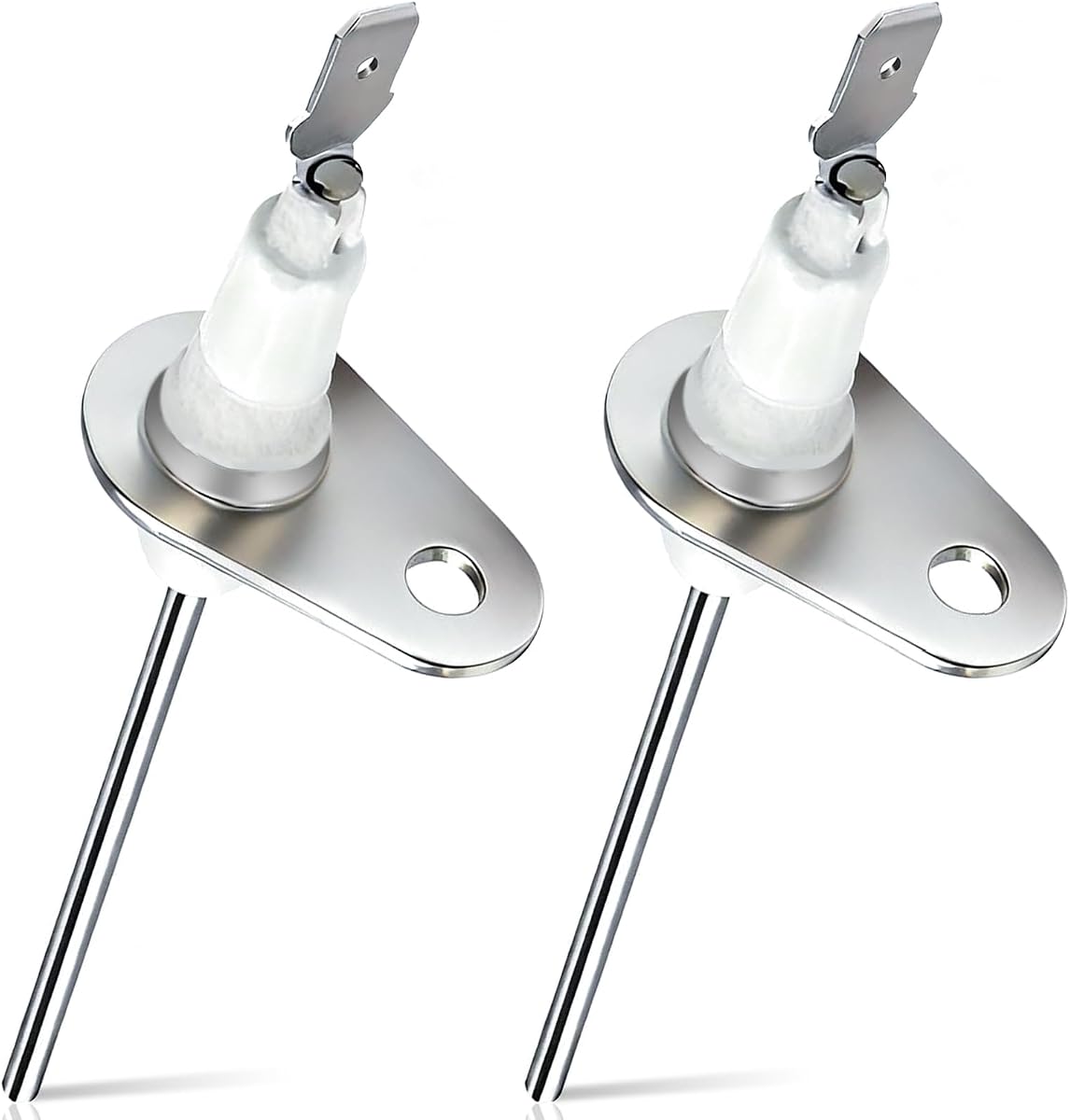
This two-pack furnace flame sensor is designed to replace the flame-detection component in compatible gas furnaces. Its 4.5 rating reflects a focused maintenance product that supports a critical safety function: confirming that the burner flame remains present so the furnace can respond appropriately. The listed use cases include preventing frequent shutdowns, immediate flameout after ignition, and unsafe gas operation.
We may earn a commission when you buy through this link, at no additional cost to you.
The sensor is made from wear-resistant metals and ceramics and is described as resistant to high temperatures. It also supports the gas valve's automatic shutdown behavior when flame is detected or cannot be detected. That makes it different from a broad household alarm: it is a component within a specific heating appliance and interacts directly with that furnace's control system.
Compatibility is extensive but not universal. The listing names 0130F00010, B1172606, B11726-06, 20488501, ACS90453BXA, P1257001F, P1257007F, ACS90703BXA, P1257002F, P1257008F, AP4513976, and L38035 among the replacement numbers. It also identifies York, Amana, and Goodman compatibility and provides a long list of applicable model numbers, but every exact furnace should still be checked.
The two-pack is a good choice for a homeowner or technician who has confirmed the model and wants a spare available. Installation instructions call for cutting off power and wearing gloves. If the furnace exhibits repeated lockout, cycling, or failure to stay lit, a new sensor may help, but other faults can produce similar symptoms. Professional diagnosis remains appropriate when troubleshooting is uncertain.
The component checks whether the burner is producing a flame and communicates that information to the furnace control. This focused role is different from the whole-property monitoring offered by a WiFi voltage sensor.
Keeping a second compatible sensor on hand can reduce downtime when a later replacement is needed. It should be stored appropriately and its model information should match the furnace.
We may earn a commission when you buy through this link, at no additional cost to you.
The BlueStars 5-Pack is a maintenance-oriented set of 0130F00010 furnace flame sensors. With a 4.6 rating, it combines a strong user rating with practical value for technicians or households maintaining several compatible furnaces. Each sensor detects burner flame and signals the furnace control board so gas flow can remain safe and heating can operate normally.
We may earn a commission when you buy through this link, at no additional cost to you.
The stated symptoms it is intended to address include shutdown immediately after ignition, failure to stay lit, repeated on-off cycling, lockout after three attempts, and a blower operating without heat. It also notes that stopping fuel when flame is not detected prevents dangerous gas leakage. While a replacement sensor can resolve a failed component, these symptoms may also have other causes, so diagnosis remains important.
Construction features include a premium-grade stainless steel sensing rod, high-temperature porcelain ceramic insulator, and metal-reinforced mounting bracket for stable grounding. The listing also emphasizes corrosion resistance and reduced carbon buildup. The package includes five sensors, which is useful for multiple furnaces, repeated maintenance, or keeping organized spares.
The listing provides extensive compatibility information and explicitly advises checking the model number before ordering. It also gives a useful installation sequence: remove the access panel, disconnect the wire, remove the mounting bolt, attach the replacement, secure it for grounding, and restore power. Use gloves and safety glasses, and follow the furnace manufacturer's service documentation. For compatible systems, the multipack is particularly attractive to service professionals.
The five-pack is more than a single replacement. It supports multiple compatible heating systems or creates a practical spare inventory for a technician, landlord, or property manager.
A stable, properly grounded mounting bracket and high-temperature materials help the sensor operate reliably in demanding burner conditions. Correct installation remains as important as the component itself.
We may earn a commission when you buy through this link, at no additional cost to you.
The 4-Pack Furnace Flame Sensor stands out with a 4.9 rating, the highest among the ten products reviewed. It is a four-unit replacement set for common 0130F00010-style gas furnace sensors, combining a strong customer rating with durable materials and broad compatibility information. Its function is to detect furnace flames so the appliance's control system can shut off gas when a flame is not present.
We may earn a commission when you buy through this link, at no additional cost to you.
Made from wear-resistant metals and ceramics, the sensors are described as having been rigorously tested by the manufacturer for durability and stability. They cover numerous listed part numbers, including 0130F00010, B1172606, 20488501, ACS90453BXA, P1257001F, P1257007F, ACS90703BXA, P1257002F, P1257008F, AP4513976, and L38035. Numerous Goodman-related model numbers are also included, while the product description identifies compatibility with brands such as Kenmore and Amana.
Installation is straightforward for a person comfortable with furnace service, but the listing appropriately calls for disconnecting power and turning off the air supply first. The sensor addresses faults such as a furnace shutting off or remaining on continuously, although those symptoms should be evaluated carefully because a failed sensor is not the only possible cause. Local service procedures and the appliance manufacturer's instructions should take priority.
This is our premium pick because it offers the guide's highest rating, four replacement units, and extensive compatibility data within one maintenance-focused package. It is most attractive to property managers, service technicians, or owners of several compatible systems who want spares readily available. A homeowner replacing only one sensor can still benefit from the included units for future maintenance.
The four included sensors make the set practical for technicians, landlords, and multi-unit properties. A verified spare inventory can help speed repairs without delaying for another compatible component.
The long compatibility list narrows the selection considerably, but buyers should still verify the exact furnace model and part number. A close match is not sufficient when the component influences gas-valve operation.
We may earn a commission when you buy through this link, at no additional cost to you.
The PFS401 Universal Furnace Electode Flame Sensor is a compact replacement component for White Rodgers 760-401 HVAC systems. With a 4.6 rating, it offers a straightforward option for an owner or technician who has already confirmed that specific equipment match. The product's purpose is accurate flame detection so heating equipment can monitor and control burner flame behavior.
We may earn a commission when you buy through this link, at no additional cost to you.
Its analog output provides a variable signal rather than only a simple digital indication. That can be useful for a compatible control arrangement, although the receiving equipment must be designed to interpret the sensor correctly. The surface-mount design is intended to make installation quick, and the stated weight of 0.023 kg keeps the part compact and unobtrusive inside an appropriate HVAC compartment.
The word universal in the product title should be interpreted within the clearly stated White Rodgers 760-401 context, not as compatibility with all furnaces. Buyers should check the existing part number, connector arrangement, mounting requirements, controller expectations, and the furnace manufacturer's service instructions before buying.
The PFS401 is a good fit for a maintenance repair involving a confirmed White Rodgers 760-401 system, particularly when a straightforward analog flame electrode is needed. It is not a suitable choice for unrelated infrared modules, WiFi monitors, or general-purpose fire alarms. Because it participates in flame control, power isolation and safe service procedures are essential.
The analog output can provide more nuanced information to a suitable controller than a basic threshold signal. Compatibility with the existing control arrangement must be established before replacement.
A lightweight surface-mounted electrode simplifies fitting in a compatible furnace compartment. The mounting surface and grounding arrangement should follow the manufacturer's instructions.
We may earn a commission when you buy through this link, at no additional cost to you.
The most useful choice depends on the specific risk, detection method, installation environment, and response system. Begin by identifying whether you need to monitor electrical conditions, detect flames, replace a furnace component, or provide audible and visual alarm notification.
A broad electrical monitor, an infrared flame module, and a furnace flame electrode are not interchangeable. The Briidea product tracks voltage conditions and outages across a home, while the infrared module detects infrared energy from flames in a custom system. The furnace sensors confirm burner flame so a gas appliance can respond safely. Select the device that directly addresses the hazard rather than assuming a product labeled for fire protection performs every function.
Some products in this guide actively detect a condition, while others only announce that another device has detected it. The QWORK, System Sensor, and DIGITECK units are warning appliances; they need initiating devices, panels, or linked sensors to know that an emergency exists. A notification appliance may be ideal in a coordinated system, but it cannot provide complete protection on its own.
Plug-in equipment is the simplest choice for a homeowner who wants immediate setup, while wired strobes require compatible panels, conductors, mounting, and system configuration. Battery-operated alarms offer simpler placement but need routine battery checks. Furnace sensors require power isolation and access to the appliance's burner compartment. Consider installation skill as carefully as the sensor's features, especially when gas controls are involved.
Furnace sensors must match the exact equipment or part number, and even a long compatibility list cannot guarantee suitability without checking. Custom flame modules must support the voltage, output type, and control logic of the chosen microcontroller. Notification devices need compatible panel outputs. A plug-in voltage monitor is more broadly approachable, but it still needs a stable WiFi connection and a compatible phone for full app functionality.
A useful warning should reach people through more than one sense when possible. The QWORK and DIGITECK products combine sound with flashing light, while the System Sensor strobes provide visual indication within compatible systems. App-based alerts extend awareness beyond the room, but a phone notification is not a substitute for a local sound or light. Choose output methods that reflect the building's occupants and operating environment.
Detection only creates value when something happens next. A voltage monitor can notify the family of an abnormal reading, a flame electrode can allow a furnace to shut off gas, and a notification appliance can turn a panel signal into a warning. Think about the required response chain, including who investigates an alert, how a system is tested, and whether another layer of protection must be added.
Detection performance depends on placement and surroundings. Infrared modules may be affected by distance, ambient light, background heat, and flame characteristics. Furnace electrodes operate in high-temperature burner compartments and must be installed and grounded correctly. Outdoor notification equipment needs an appropriately weatherproof enclosure. A plug-in electrical monitor should sit in a suitable outlet and remain connected to a reliable network for continuous remote awareness.
Every safety-related device should be checked according to its instructions and the broader system it supports. Test app notifications regularly, replace site-alarm batteries on schedule, and have alarm panels and notification circuits inspected as required. Furnace sensors are replaced components rather than user-testable alarms. For DIY modules, a controlled test procedure and regular threshold checks help ensure the custom system remains responsive.
Begin by identifying the role your device plays in the safety system. A plug-in electrical monitor should be connected according to its instructions and paired with the correct mobile app, while a custom flame module must be wired and programmed by someone comfortable with the relevant electronics. Furnace replacements require the power and air supply disconnected, and notification appliances must be integrated with compatible control equipment.
Test the chosen response path rather than only the sensor. For a WiFi monitor, confirm that family members receive app notifications and understand what a warning means. For a site alarm, operate the test function and verify that linked units sound together. For a furnace sensor, have the system serviced and observed through a complete safe start cycle. For wired notification, confirm activation from the initiating device through the horn and strobe.
Maintain devices according to the manufacturer's schedule and the environment in which they operate. Replace site-alarm batteries when the low-battery warning appears, clean accessible sensor surfaces without introducing moisture, and keep notification units unobstructed. Treat furnace parts as safety-critical service items, store spare sensors carefully, and consult the appliance documentation whenever installation instructions differ from a generic guide.
No. A WiFi electrical monitor watches voltage conditions, power changes, and outages; it is not described as detecting smoke, heat, or flame. It should complement properly placed smoke and heat alarms rather than replace them. A complete home safety plan needs suitable detection for each type of hazard and a clear response plan.
The Briidea WiFi Fire Protection Sensor is the most directly aligned with whole-home electrical oversight because it tracks voltage fluctuations, potential faults, and outages continuously. It can surface recurring abnormalities for investigation, but it does not claim to identify the exact failed component. Electrical repairs should still be performed by a qualified professional when required.
The infrared module is designed for DIY electronics projects, not as a self-contained residential alarm. It requires a power supply, controller, software, and an alert output, and it must be carefully positioned and calibrated. Building a prototype can be educational, but commercial or residential safety coverage should use appropriate listed detection and notification equipment.
They are interchangeable only when the equipment and part numbers genuinely match. The listed sensors cover different sets of furnaces and replacements, including several popular 0130F00010-style applications and the White Rodgers 760-401. Check the existing sensor, furnace model, connector, mounting method, and controller requirements before purchasing.
A strobe is a notification device that creates a visual warning when activated by another component. A sensor detects a condition such as flame, smoke, heat, or abnormal voltage. Complete alarm systems commonly combine sensors, a control panel, wiring, horns, and strobes so that one event produces several forms of warning.
The QWORK unit is designed to work with fire alarm panels, operates on a 9–24V DC input, and is not battery operated. The DIGITECK model is a more independent option, using a replaceable 9V battery and offering linking for up to 20 units. Determine which level of independence and system integration your location needs.
Disconnect power and turn off the air supply before servicing the furnace, and use appropriate gloves and eye protection. The general sequence is to remove the access panel, disconnect the sensor wire, remove the mounting bolt, attach the replacement, secure it for proper grounding, and restore power. Follow the exact furnace manufacturer's service instructions and seek professional help if anything is unclear.
Check each device according to its instructions and the schedule required by its larger system. Test app notifications, alarm sounds, strobes, and interlinked units regularly, replace batteries when indicated, and arrange professional service for furnace controls and wired fire-alarm components. A maintenance schedule should be written down and shared with household members or site managers.
The best general option in this guide is the Briidea WiFi Fire Protection Sensor because it continuously monitors whole-home electrical conditions, provides app notifications, and presents useful seven-day voltage trends without a complicated installation. The Infrared 5-in-1 module is the budget-friendly choice for qualified DIY builders, while the 4-Pack Furnace Flame Sensor is the premium maintenance selection with the highest customer rating.
Prioritize the hazard and the system around it. Choose electrical monitoring for voltage and outage awareness, an infrared module only when you can build and calibrate the required controller, a matching furnace sensor for appliance repair, and a horn or strobe when you need a coordinated warning output. Always combine specialized devices with suitable smoke, heat, and other required alarm coverage.
Before buying, verify current compatibility, power requirements, included accessories, installation restrictions, and any certification information that matters for your building. Product details, ratings, availability, and pricing can change, so check the latest listing and manufacturer documents before making a safety-related purchase.